
What is Crabgrass and Why is it Bad for My Lawn?
Crabgrass is a lawn weed commonly found in Pennsylvania. A patch of crabgrass, in an otherwise nice lawn, sticks out like a sore thumb!
To minimize the impact of this extremely abundant weed, it is helpful to understand some things about the plant.
So What Exactly is Crabgrass?
Crabgrass, as the name implies, is a grass. However, it is not a “turf-type” of grass that’s used on lawns. The primary difference between crabgrass and desirable lawn grasses is that crabgrass is an “annual grass.” The grasses used for lawns are “perennial.”
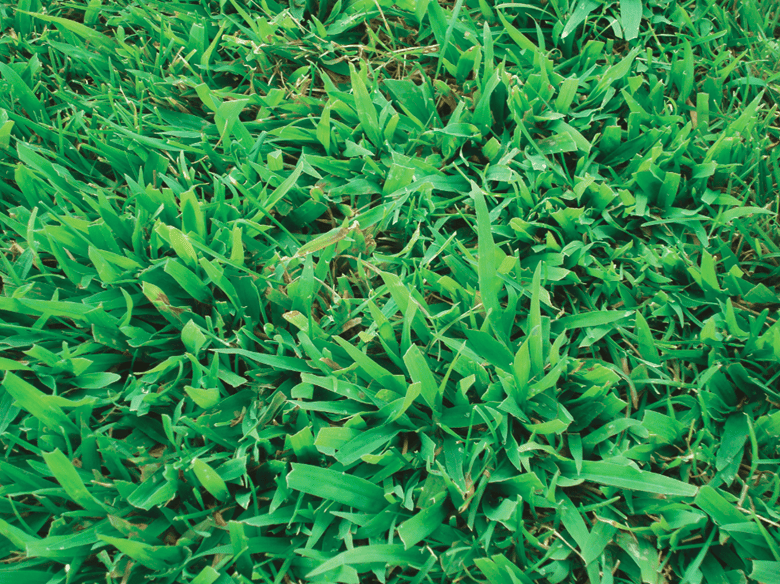
Why is Crabgrass Bad?
Crabgrass plants produce huge amounts of seeds. Crabgrass seeds can stay viable for three years when the conditions are right. Almost any area of a lawn is likely to get filled in with crabgrass if it has:
- A bare patch
- A weak stand of grass
- Stress from heat or turf-damaging insects
- Lawn scalping from being mowed too short
Need some help with a crabgrass problem?
Can Crabgrass Be Used for a Lawn?
Simply put, no.
Since crabgrass is an annual grass, it dies in the fall. When the crabgrass dies, it leaves behind the remnants of roots and stems.
In the spring, you’ll have a mess. If you have a lawn of all crabgrass, you’ll likely have a lot of mud (and unhappy neighbors). Crabgrass is also a weak plant, and other weeds will compete with it.
New crabgrass plants will grow, but it will take all spring and most of summer for the plants to be large enough to cover your lawn.
What’s Wrong with Crabgrass in a Lawn?
The quick answer is it’s ugly!
Besides that, crabgrass is not a “turf-type” grass.
As it grows throughout the season, it can dominate your lawn. This is especially true in the summer.
The grass types used for lawns in our area have their most vigorous growth in the spring and fall.
During the summer, these grasses slow down and sometimes go into a dormant (or semi-dormant) state.
However, crabgrass thrives in the summer conditions. This is when it can very quickly establish itself in your lawn.
Below is a customer’s lawn in Exeter, PA, during the drought of 2022. The beauty of this lawn is that there is almost no crabgrass in the lawn.
Without the Green Giant Crab-X program™, which provides two very different crabgrass treatments, this lawn would have been inundated with crabgrass.
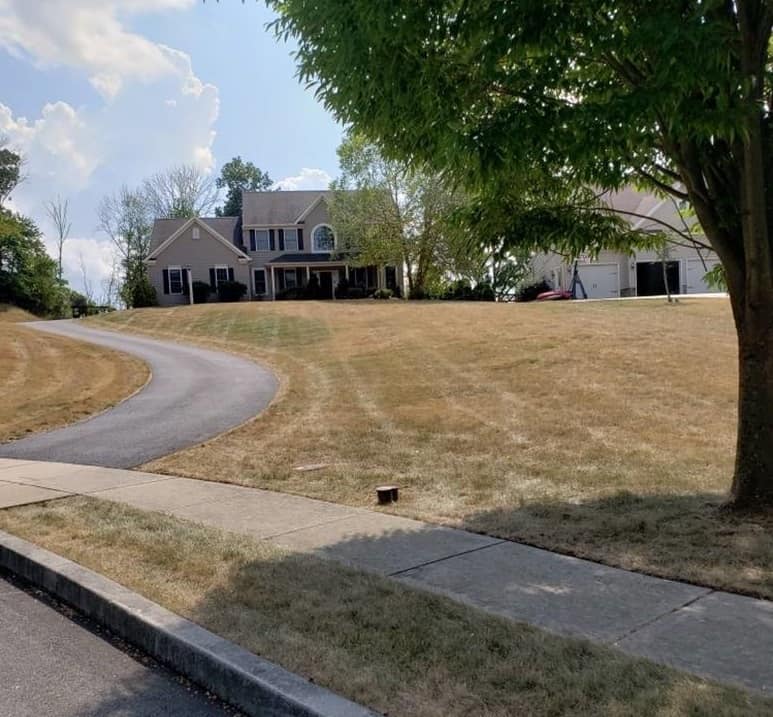
Crabgrass is primarily an “opportunistic” plant and will usually grow in thin or bare areas of your lawn. It can also crowd out good grasses that are weakened. And on top of all this, once we get a hard frost, the crabgrass dies, turns brown, and looks even uglier!
The Life-Cycle of Crabgrass
In our area in Southeastern Pennsylvania, there are thousands of crabgrass seeds in the soil at any given time.
So, in the spring, when the soil temperatures get above 55 degrees, some of these seeds in your lawn will start to germinate (grow), which is why an early spring crabgrass preventer application is so important.
The crabgrass seeds crack open, and the plant’s life begins. The crabgrass will grow and spread during the spring, summer, and into the fall. Throughout this time period, the plants will produce seeds.
When it gets cold in the fall (usually after the first frost), the crabgrass plants die. And that’s it for those crabgrass plants. They are dead, and they will not come back to life – ever.
Unfortunately, each plant has just dropped thousands of new seeds on your lawn (Penn State did a study that determined one crabgrass plant can produce up to 10,000 seeds). You can be sure these seeds will do their best to continue the cycle next spring!
Three Common Questions from Homeowners
Why is my entire lawn crabgrass?
There are a few reasons this could be happening. The first is that your lawn may not be getting enough nitrogen. The types of grasses that make beautiful lawns need more nitrogen than the soil in our area provides. Unfortunately, crabgrass can thrive in low-nitrogen soil.
Another reason could be that you’re mowing your lawn too short. Crabgrass and other weeds thrive in lawns that are mowed shorter than 3 inches. Make sure your grass blades are at least 3-4 inches after the lawn is mowed.
What should I do if crabgrass has spread across my lawn?
If you see actively growing crabgrass, there are products that you can use during the season to kill crabgrass without killing the good grass in your lawn. But you have to be careful. Using it when it is too hot can damage your good grass. And, if you use too much, you can inadvertently damage your good grass. Always read and follow the label instructions on the container.
The best way to get rid of crabgrass is with a pre-emergent in the spring. Green Giant’s Crab-Ex program is about as good as it gets.
Will broadleaf herbicide kill crabgrass?
No, it will not. It seems strange, but the weed control that gets rid of dandelions, clover, and many other broadleaf weeds does not work on crabgrass.
Green Giant is a member of the Lawn Care Association of Pennsylvania. If you have any questions about crabgrass, get in contact with us.
Should I kill crabgrass in the Fall?
Since crabgrass is an annual plant, the existing growth will naturally die off in the fall, typically after the first hard frost. The plants turn brown and do not come back to life.
Therefore, using a post-emergent herbicide on them in the late fall is generally unnecessary.
The real issue is the thousands of new seeds each plant drops before it dies, which can germinate the following spring.
For this reason, the most effective way to control crabgrass is by applying a pre-emergent treatment in the early spring to prevent next year’s plants from ever growing.